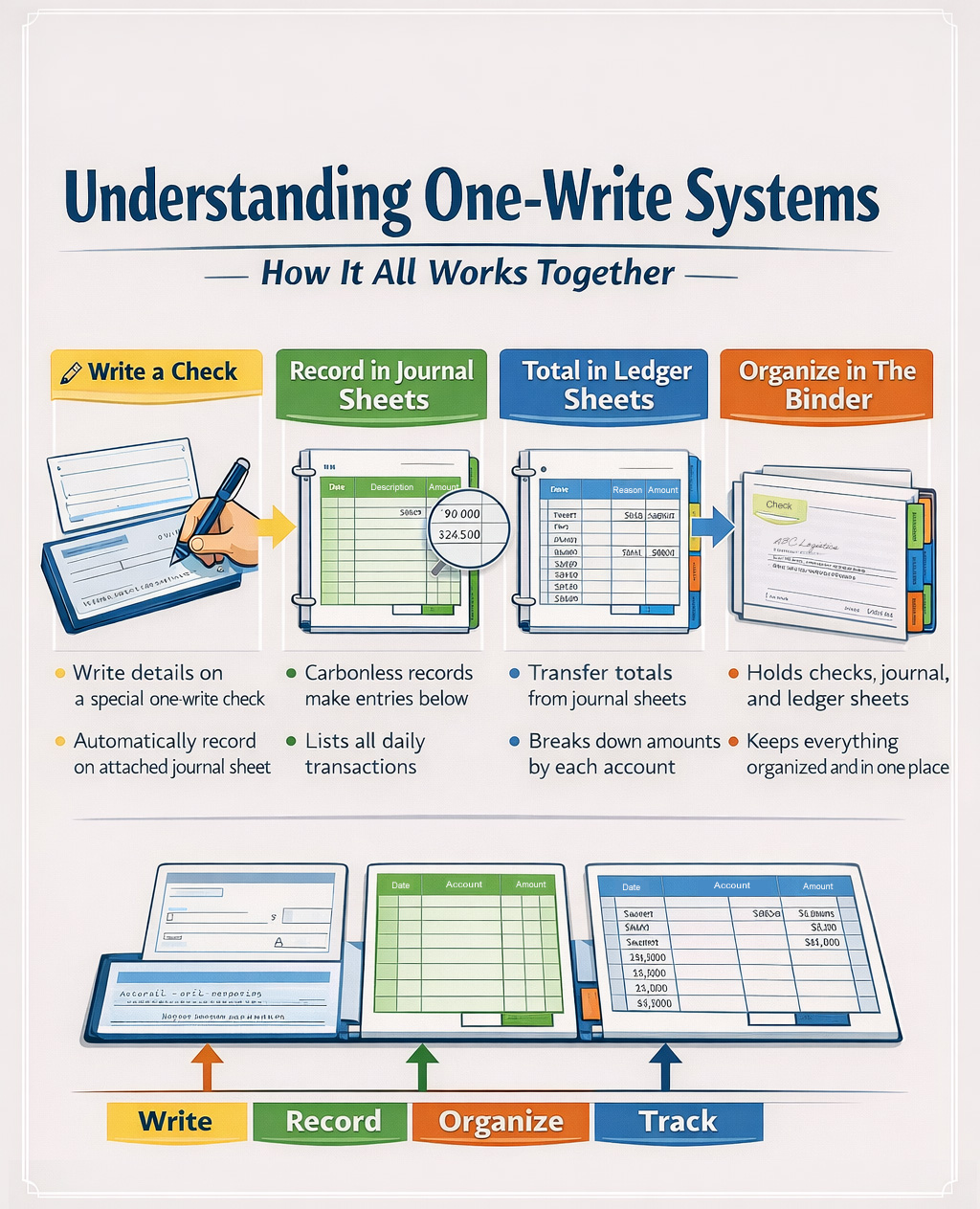
A manual accounting system can feel confusing because it involves several tools that work together to record, organize, and review financial activity. This post breaks down one-write checks, journals, ledgers, and boards, and explains how they connect in a practical, easy-to-follow way. One-Write Checks: The Starting Point One-write checks are…
-
-
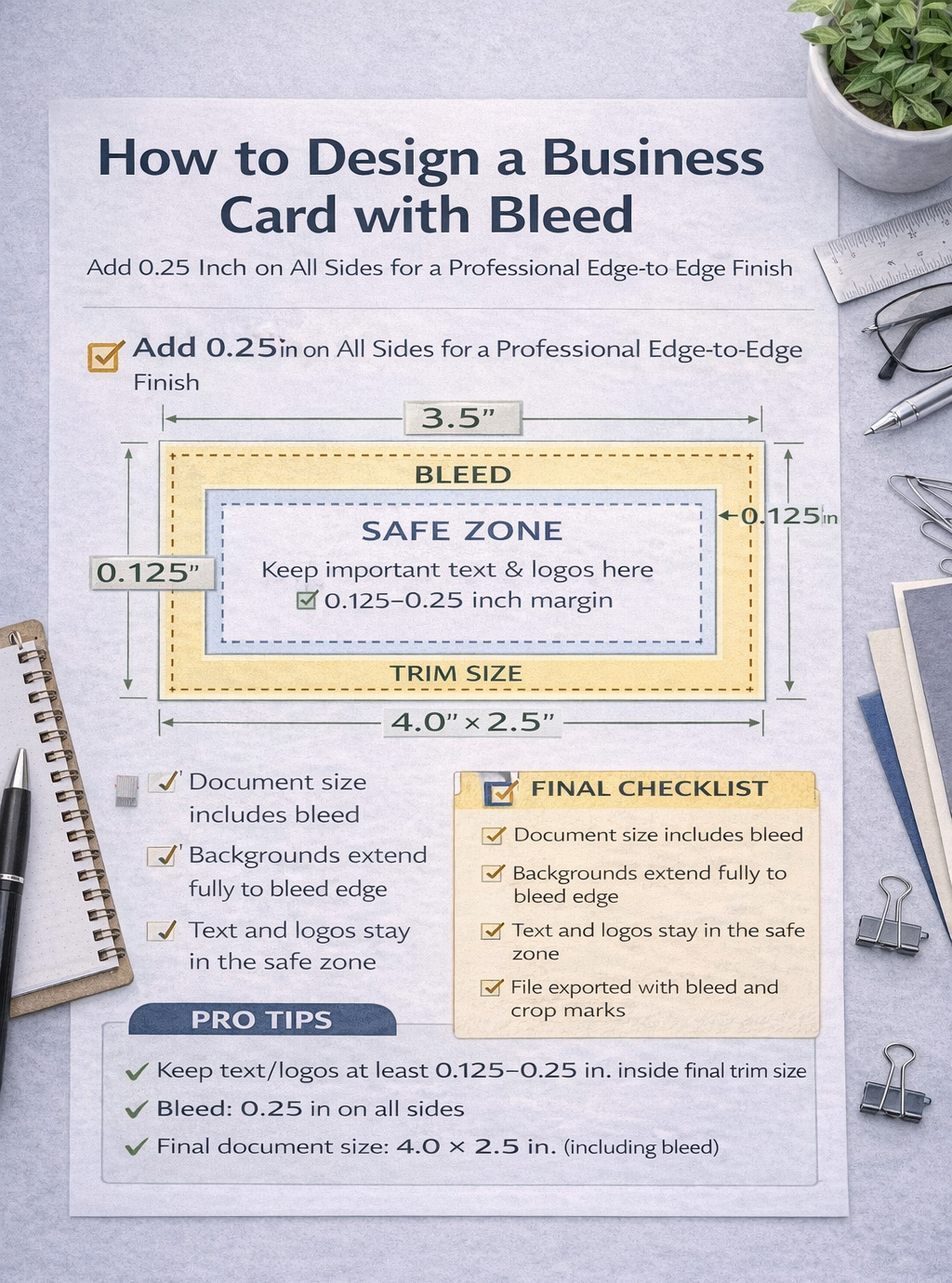
How to Design a Business Card with Bleed (and Why It Matters)
Designing a business card isn’t just about choosing fonts and colors. To get a professional, edge-to-edge finish, you need to design your card with bleed. Without it, cards can end up with thin white borders or uneven edges after trimming. In this guide, we’ll explain what bleed is, why it’s…
-
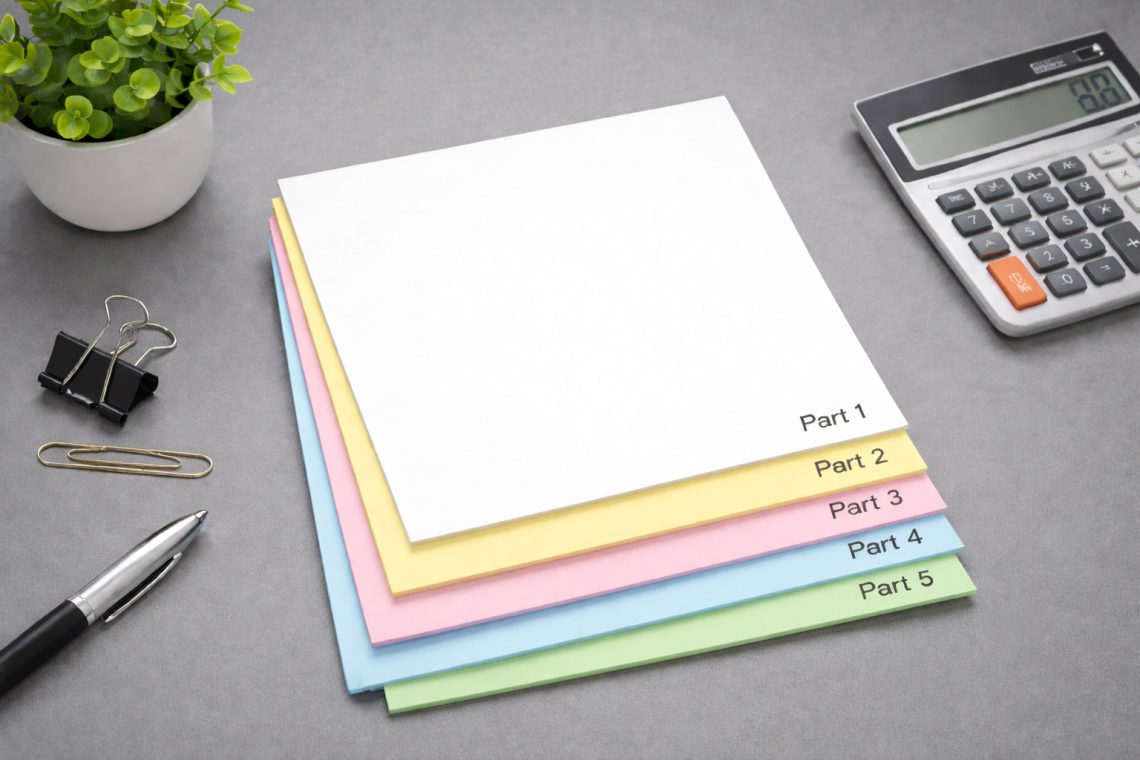
NCR Paper Explained: CB, CFB, CF & Multi-Part Forms
NCR paper stands for No Carbon Required paper. It’s a special type of coated paper that allows multiple copies of handwritten or printed information without using carbon sheets. NCR paper is commonly used for invoices, receipts, bills of lading, and purchase orders. In this article, we’ll explain how NCR paper…
-
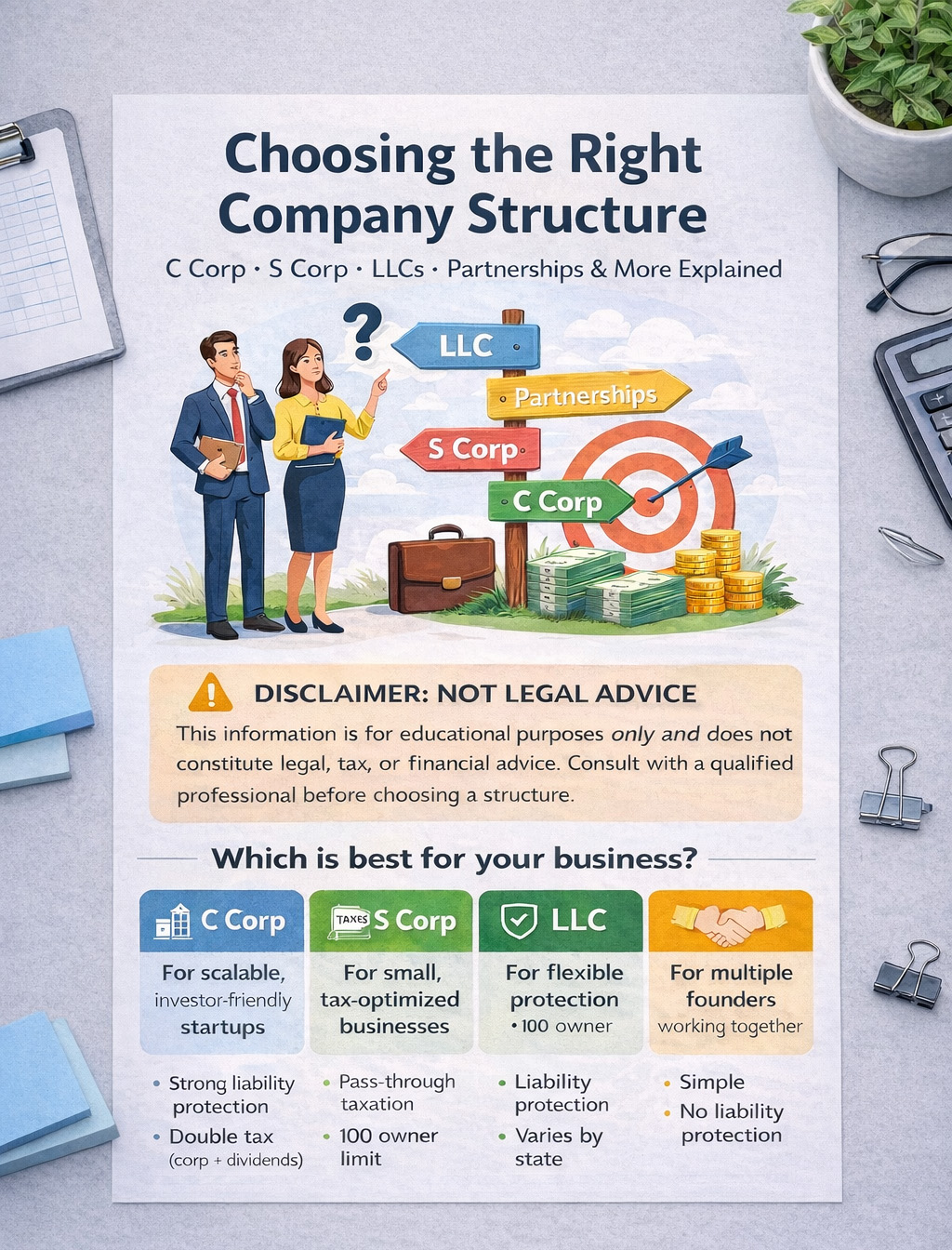
Choosing the Right Company Structure: C Corp, S Corp, LLC & More Explained
Starting a business is exciting, but one of the most important early decisions you’ll make is choosing the right legal structure for your company. Your choice affects taxes, liability, ownership, fundraising, and even how you run day-to-day operations. This guide explains the most common business entity types – C Corporations,…
-
Thermography vs. Embossed Ink: What’s the Difference and When to Use Each?
When it comes to premium print finishes, thermography and embossing are two popular techniques used to add texture, depth, and a professional feel to printed materials. While they may look similar at first glance, they are very different processes with distinct advantages and use cases. In this article, we’ll explain…