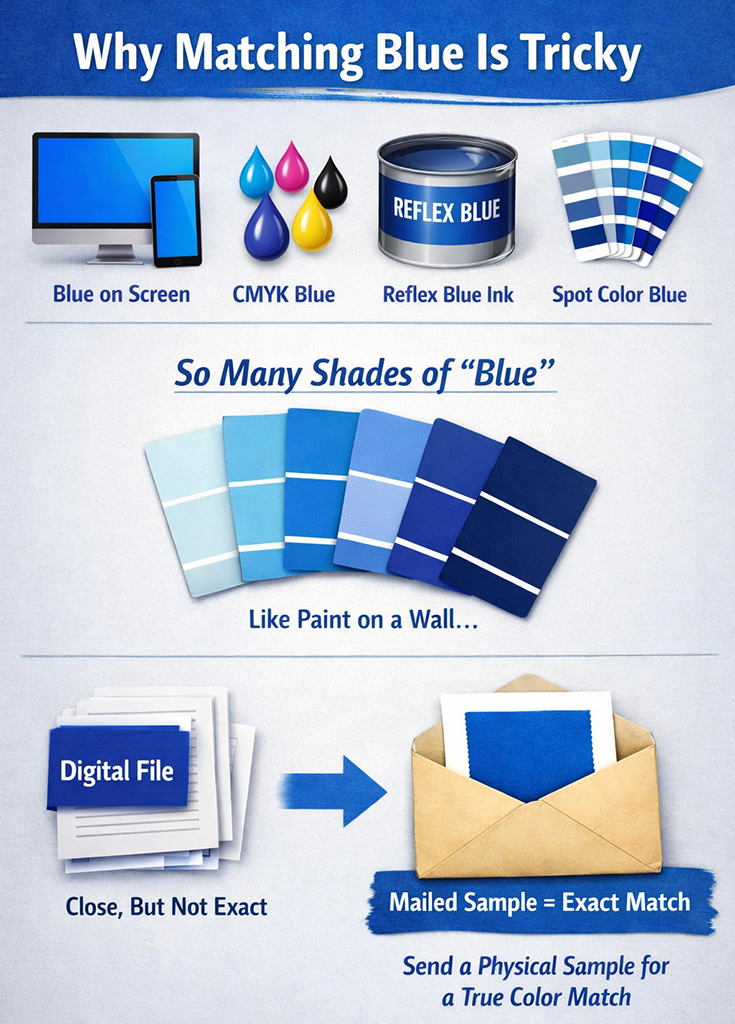
Blue seems simple, until you try to match it. If you’ve ever approved a blue logo or design on a screen and then been surprised by how different it looked when printed, you’re not alone. The truth is that “blue” isn’t one color. In printing, there are many different ways…
-
-
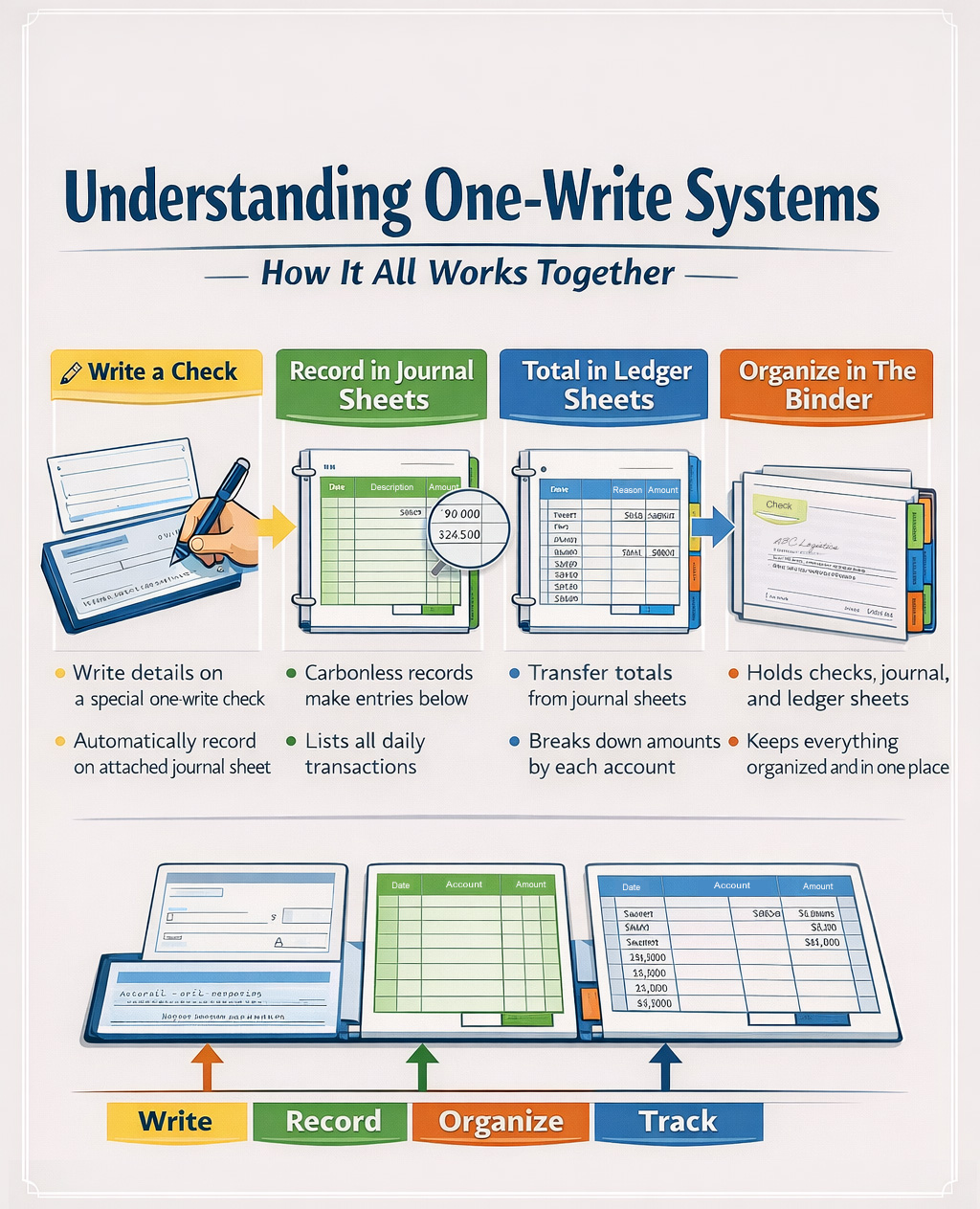
Understanding One-Write Checks, Journals, Ledgers, and Boards
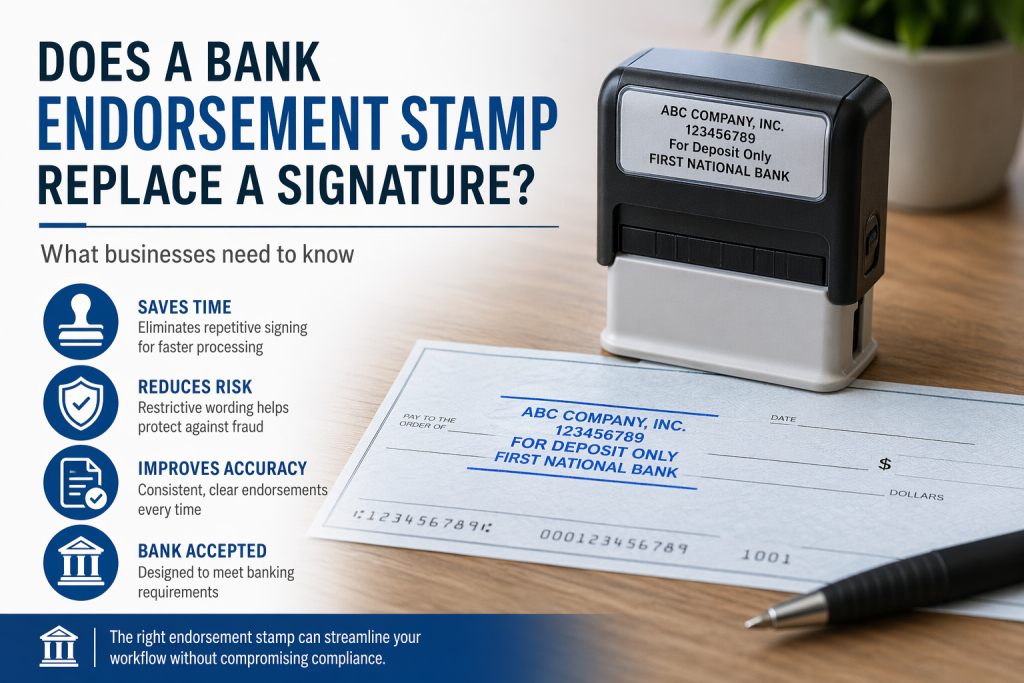
A manual accounting system can feel confusing because it involves several tools that work together to record, organize, and review financial activity. This post breaks down one-write checks, journals, ledgers, and boards, and explains how they connect in a practical, easy-to-follow way. One-Write Checks: The Starting Point One-write checks are…
-
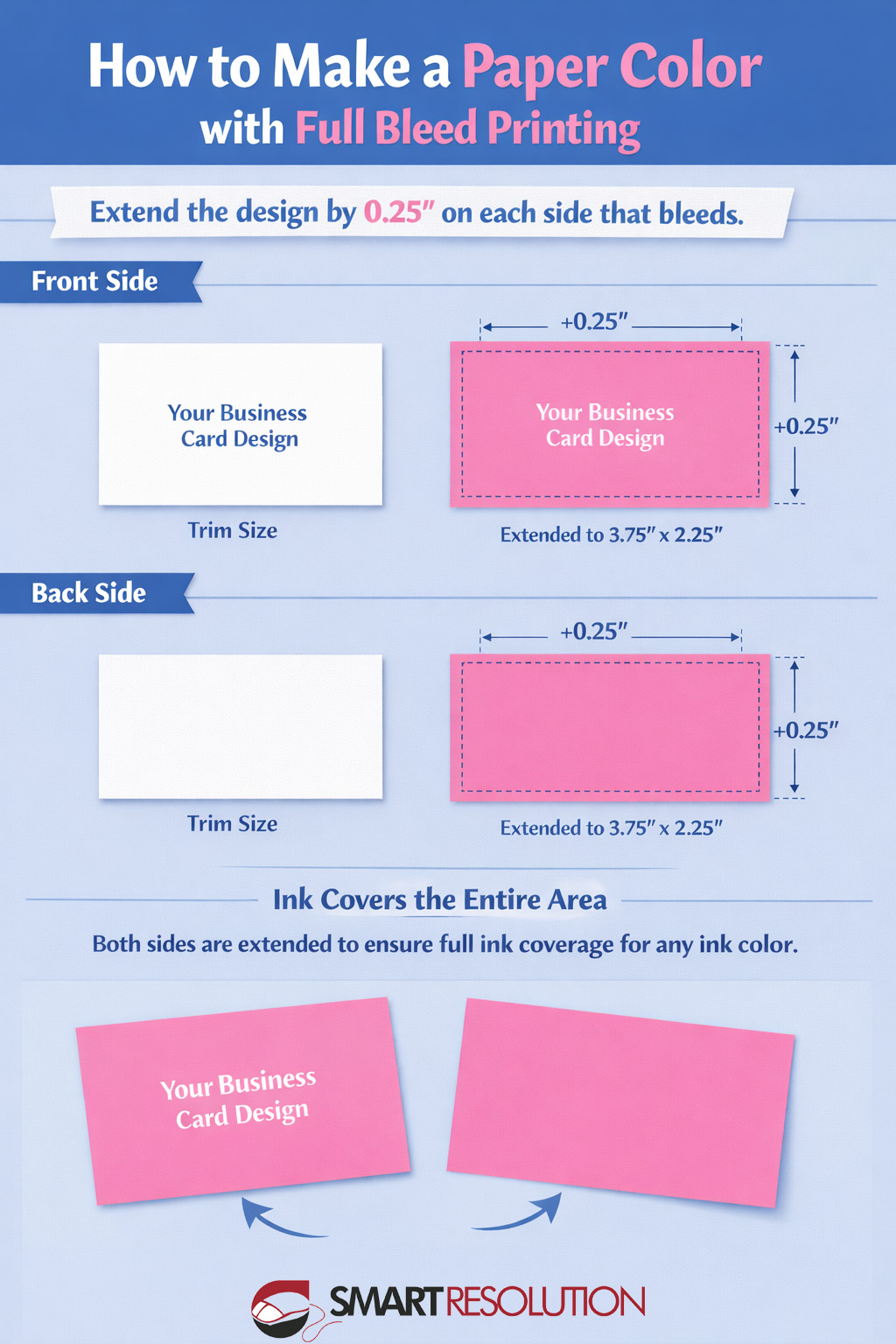
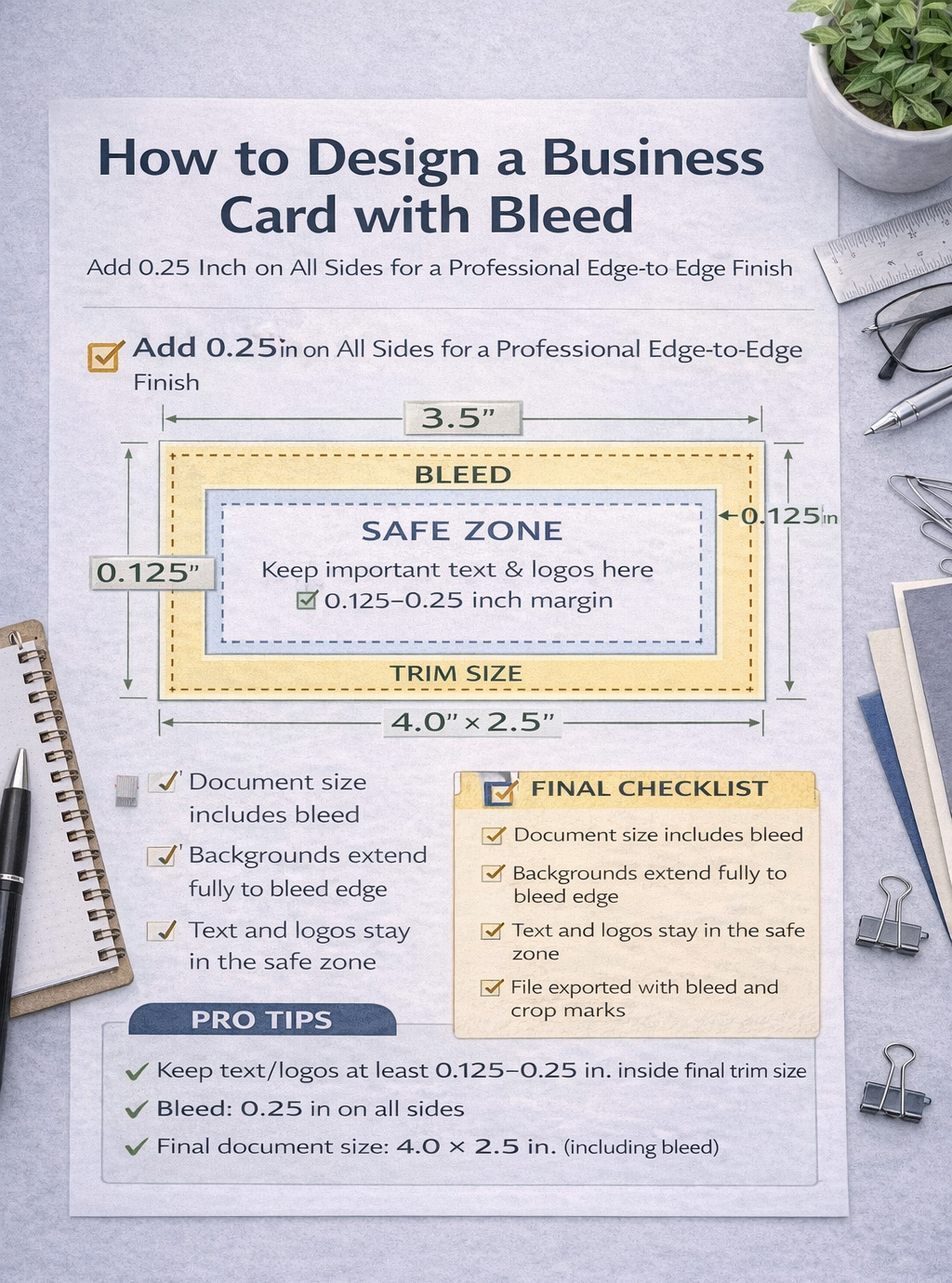
How to Design a Business Card with Bleed (and Why It Matters)
Designing a business card isn’t just about choosing fonts and colors. To get a professional, edge-to-edge finish, you need to design your card with bleed. Without it, cards can end up with thin white borders or uneven edges after trimming. In this guide, we’ll explain what bleed is, why it’s…
-
NCR Paper Explained: CB, CFB, CF & Multi-Part Forms
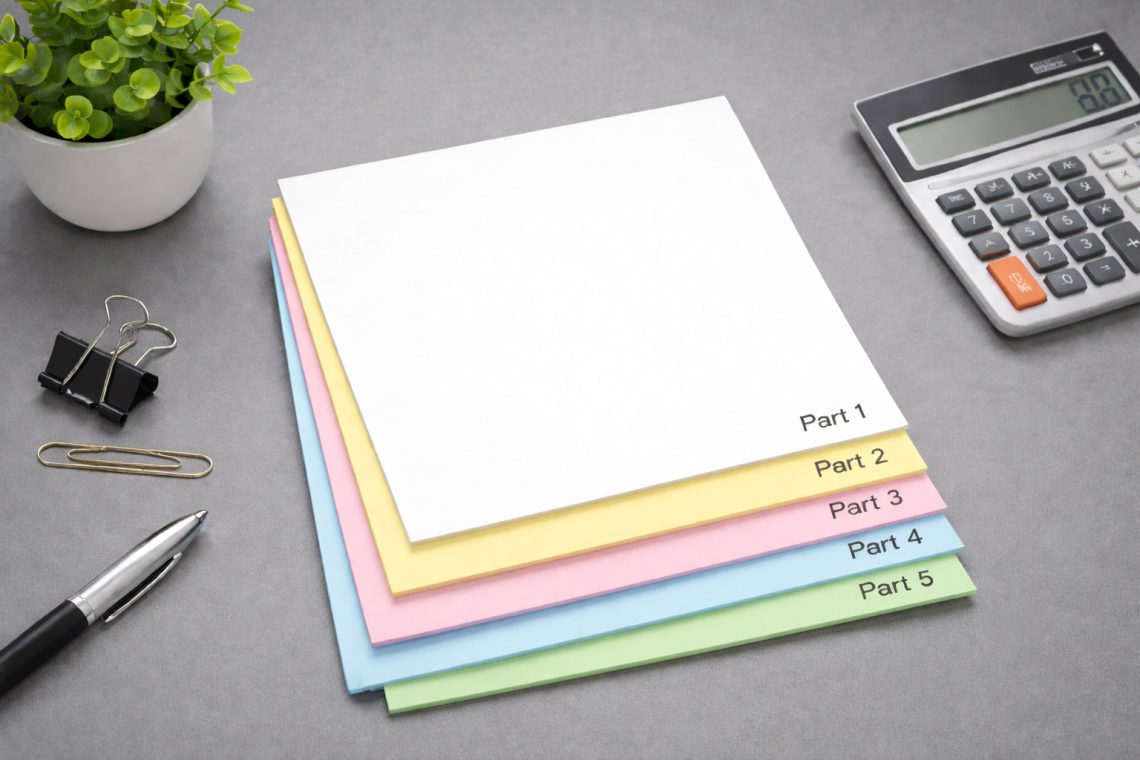
NCR paper stands for No Carbon Required paper. It’s a special type of coated paper that allows multiple copies of handwritten or printed information without using carbon sheets. NCR paper is commonly used for invoices, receipts, bills of lading, and purchase orders. In this article, we’ll explain how NCR paper…
-
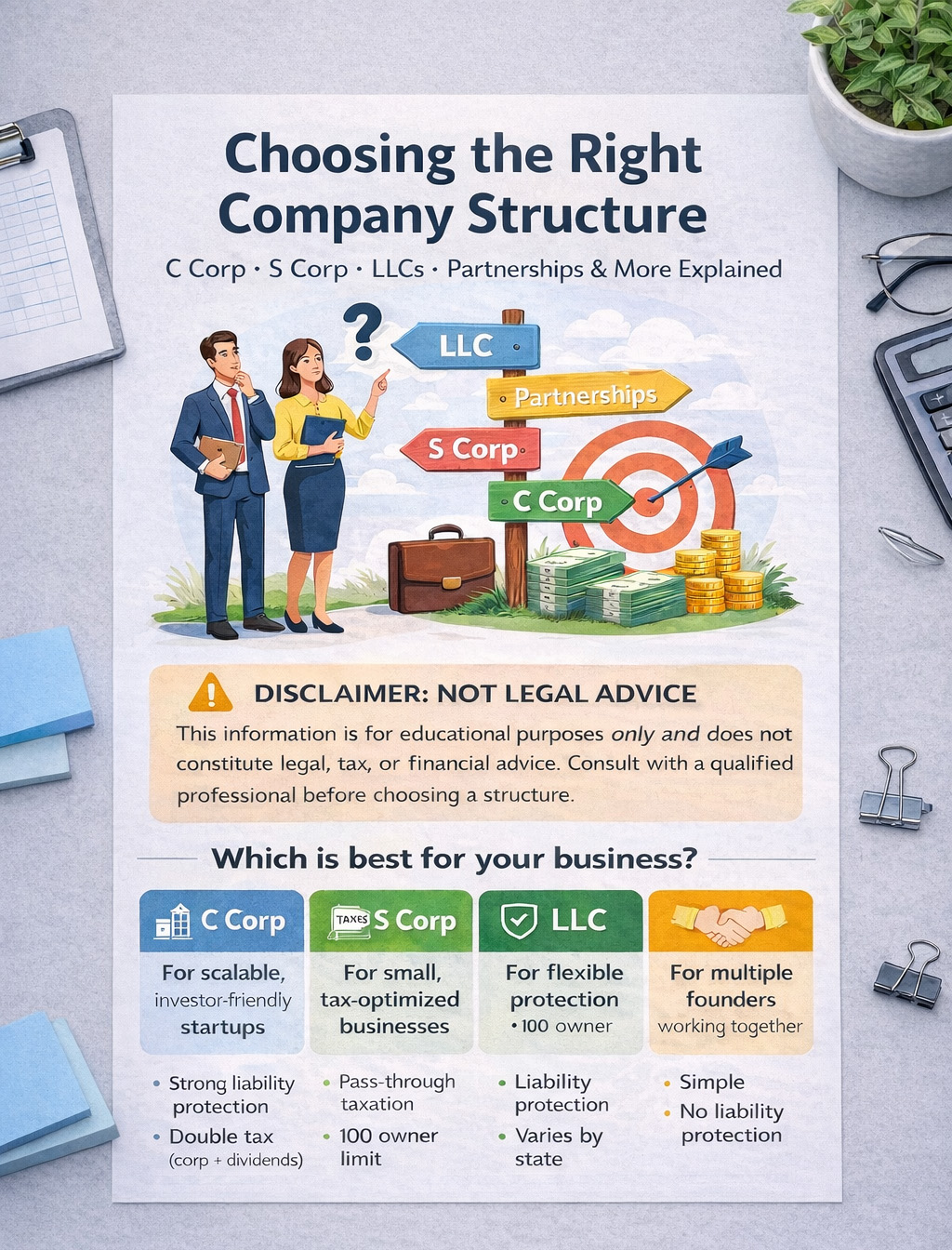
Choosing the Right Company Structure: C Corp, S Corp, LLC & More Explained
Starting a business is exciting, but one of the most important early decisions you’ll make is choosing the right legal structure for your company. Your choice affects taxes, liability, ownership, fundraising, and even how you run day-to-day operations. This guide explains the most common business entity types – C Corporations,…
-
Thermography vs. Embossed Ink: What’s the Difference and When to Use Each?
When it comes to premium print finishes, thermography and embossing are two popular techniques used to add texture, depth, and a professional feel to printed materials. While they may look similar at first glance, they are very different processes with distinct advantages and use cases. In this article, we’ll explain…
-
How to Choose a Weatherproof Label
When it comes to choosing a weatherproof label material, it’s easy to get overwhelmed by all the options. Three of the most popular types (BOPP, vinyl, and polyester) each have their own strengths. The best choice depends on where your labels will be used, what they’ll stick to, and how…
-
How to Choose Spot Color vs. Full Color Printing
In the vibrant world of print, achieving the perfect color for your project is paramount. Beyond simply selecting a shade, however, lies a crucial decision: should you opt for spot color printing or full color (CMYK) printing? Both methods bring designs to life on paper, but they work in fundamentally…
-
Wirebound vs. Spiralbound
Which Binding Style is Right for Your Printing Project? When it comes to professional printing, the way your documents are bound can make all the difference in both functionality and appearance. Two of the most popular binding methods are wirebound (also called twin-loop or Wire-O binding) and spiralbound (plastic coil).…
-
The Ultimate Guide to Carbonless Forms
Carbonless forms are an essential tool for businesses that need instant, duplicate copies of handwritten or printed documents. Whether you’re managing invoices, receipts, work orders, or contracts, carbonless forms provide a seamless way to keep records without the mess of traditional carbon paper. What Are Carbonless Forms? Carbonless forms, also…